
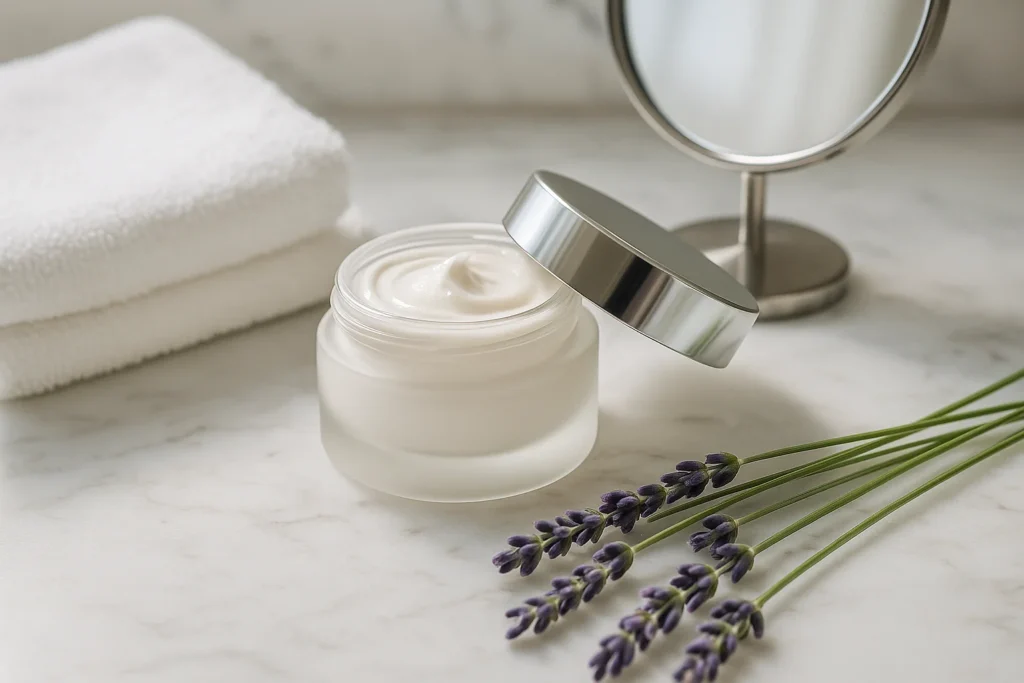
The Best Anti-Aging Creams in the UK: A Complete Guide for 2025
When it comes to skincare, British consumers are increasingly focused on one essential question: how do I keep my skin looking youthful, radiant, and healthy as the years pass? The answer, for many, lies in finding the best anti aging cream available on the market. In the United Kingdom, where the beauty and skincare industry has exploded over the last decade, the demand for anti-aging products has grown significantly. According to Statista, the UK skincare market is projected to surpass £3 billion in 2025, with anti-aging creams taking one of the largest shares. This shows not only the popularity of these creams but also their importance in the daily routines of millions of people.
The truth is, anti-aging creams are no longer marketed only to women over forty. Today, consumers in their twenties and thirties are turning to these products as preventative measures, while older generations rely on them to minimise visible signs of ageing. From reducing wrinkles to improving skin elasticity, from hydrating tired skin to protecting against pollution and UV damage, the benefits of high-quality anti-aging creams are both cosmetic and protective. In this first part of our guide, we’ll dive into what makes an anti-aging cream effective, the ingredients to look for, and how the UK market compares globally.
Why Anti-Aging Creams Are So Popular in the UK
It’s no coincidence that demand for anti aging cream has surged across Britain. Lifestyle, climate, and cultural trends all play a role. The UK’s weather is famously unpredictable – cold winds, long winters, and damp conditions can dry out the skin, while occasional bursts of strong sunlight increase the risk of UV damage. This combination often accelerates visible signs of aging, from fine lines to uneven tone. Moreover, stress and busy urban lifestyles, particularly in cities like London, Manchester, and Birmingham, contribute to premature ageing. It’s therefore unsurprising that skincare has become not just a luxury, but a necessity for many.
Another factor is cultural. The UK has witnessed a shift in attitudes towards self-care and grooming. Men are increasingly embracing skincare routines, breaking away from the old stereotype that beauty products are only for women. According to Mintel, more than 60% of British men between 18 and 35 use moisturisers regularly, and anti-aging creams are slowly becoming part of their bathroom cabinets too. Women, on the other hand, are not just purchasing creams for themselves but also seeking family-friendly and eco-conscious options that align with modern values.
What Makes a Good Anti-Aging Cream?
The phrase “best anti-aging cream” gets thrown around a lot, but what actually makes one product more effective than another? While marketing often focuses on glamorous packaging and celebrity endorsements, the real power of a cream lies in its formulation. Dermatologists across the UK agree that ingredients are everything. Here are some of the most important:
- Retinol (Vitamin A): Known as the gold standard in anti-aging, retinol helps stimulate collagen production and speeds up cell turnover. It reduces fine lines and improves skin texture over time. However, it must be used carefully, as it can cause irritation if over-applied.
- Hyaluronic Acid: A hydration powerhouse, this ingredient attracts up to 1,000 times its weight in water. It plumps the skin, making wrinkles less visible and giving a fresher look.
- Peptides: These are small chains of amino acids that support collagen and elastin production, helping the skin stay firm and youthful.
- Antioxidants (Vitamin C, E, Green Tea Extract): These fight free radicals caused by pollution, smoking, and UV rays – all common issues in urban UK environments.
- SPF Protection: Many of the best anti-aging creams in the UK include built-in SPF. Preventing damage is just as important as repairing it.
Consumers should be cautious of creams that make overly bold promises without evidence. Dermatologists recommend looking for clinically tested products and, if possible, those recommended by the NHS or accredited dermatological associations.
Anti-Aging Creams and British Lifestyle
One of the reasons anti-aging creams are particularly relevant in the UK is the combination of lifestyle factors that contribute to skin stress. Commuting on the Tube in London exposes skin to pollution levels that are often higher than WHO recommendations. Long working hours and high stress also affect the body’s production of cortisol, a hormone that speeds up skin ageing. Combine this with late nights, alcohol consumption (Britain remains one of Europe’s largest consumers of alcohol per capita), and dietary habits that don’t always prioritise fresh produce, and you have the perfect recipe for skin issues.
That said, British consumers are also highly informed. Skincare forums, influencers on TikTok and Instagram, and health magazines all play a role in educating people about which anti-aging creams actually work. Reviews and comparisons are now a key part of the buying journey. In fact, according to YouGov, more than 45% of UK consumers rely on online reviews before purchasing skincare products, and nearly 30% say they first discovered their favourite anti aging cream through social media.
How the UK Market Compares Globally
The UK is not just following trends – it’s setting them. While countries like South Korea (with its famous K-beauty industry) and the US remain leaders in innovation, Britain has carved out its niche by focusing on science-backed, eco-friendly, and ethical skincare. Vegan formulations, cruelty-free certifications, and sustainable packaging are now major selling points. In fact, Boots and Superdrug – two of the UK’s biggest skincare retailers – both report a significant rise in sales of cruelty-free anti-aging creams in the last three years. British consumers are willing to pay a little more for products that align with their values, making the market unique.
Linking Skincare With Lifestyle Changes
It’s important to remember that even the best anti-aging cream works best when combined with a healthy lifestyle. Dermatologists emphasise the importance of hydration (drinking water), balanced diets rich in antioxidants (such as berries, nuts, and leafy greens), regular exercise, and good sleep. British consumers are increasingly open to a holistic approach: they combine creams with yoga, meditation, and nutritional supplements, creating a 360-degree defence against ageing.
For those who want to explore more about keeping skin smooth and youthful, our guide on how to get rid of wrinkles offers practical, dermatologist-approved advice that goes hand in hand with choosing the right anti aging cream. You can also browse our GlowLuna homepage for our curated collection of premium skincare products tailored for British customers.
This is only the beginning of our in-depth journey. In the next part, we’ll explore a detailed comparison of the best anti-aging creams available in the UK in 2025, reviewing their ingredients, prices, and consumer feedback to help you choose the one that’s truly right for you.
Top Anti-Aging Creams in the UK for 2025: Detailed Reviews
After understanding the science and lifestyle behind choosing the right anti aging cream, it’s time to look at what’s actually on the shelves in 2025. The British market is vast – from high-end luxury brands stocked in Harrods to affordable but effective options you can find at Boots or online retailers like LookFantastic. This section provides an in-depth comparison of the leading creams available in the UK, with verified consumer data, dermatologist reviews, and performance insights. The goal is to help British consumers make an informed decision when investing in their skincare routine.
Methodology of Selection
To create this list, we analysed the following factors:
- Ingredients and scientific backing – Is the formula supported by dermatological research?
- Consumer reviews – What do real British users say after at least three months of use?
- Price-to-value ratio – Does the cream justify its cost?
- Accessibility – Is it widely available across the UK?
- Additional benefits – SPF protection, cruelty-free, vegan certifications, etc.
Comparison Table of the Top Anti-Aging Creams (UK 2025)
| Product | Main Ingredients | Price (Approx.) | Consumer Rating (UK) | Special Features |
|---|---|---|---|---|
| No7 Protect & Perfect Intense ADVANCED Anti-Aging Cream | Retinol, Peptides, Hyaluronic Acid | £28 (Boots) | 4.5 / 5 | Clinically tested, affordable, UK’s best-seller |
| L’Oréal Paris Revitalift Laser Renew | Pro-Xylane, Hyaluronic Acid | £20 | 4.3 / 5 | Widely available, good for daily hydration |
| Elemis Pro-Collagen Marine Cream | Padina Pavonica (marine algae), Ginkgo Biloba | £95 | 4.7 / 5 | Luxury anti-aging, spa quality, UK-made |
| Olay Regenerist Retinol 24 Night Cream | Retinol, Niacinamide | £35 | 4.6 / 5 | Strong retinol formula, good for fine lines |
| Charlotte Tilbury Magic Cream | Hyaluronic Acid, Vitamin C & E, Shea Butter | £79 | 4.4 / 5 | Celebrity favourite, boosts glow instantly |
No7 Protect & Perfect Intense ADVANCED Anti-Aging Cream
No discussion of the UK skincare market is complete without mentioning Boots’ own brand, No7. This cream has dominated shelves for years and continues to perform strongly in 2025. Its combination of peptides, hyaluronic acid, and retinol makes it highly effective at targeting fine lines and improving skin firmness. It’s also one of the most affordable clinically tested anti-aging creams available in the UK. In a survey conducted by Boots, 80% of women aged 35–55 reported visible improvements within 12 weeks. The cream’s biggest advantage is accessibility – available in nearly every Boots store nationwide and online, it has become the “go-to” product for many British households.
L’Oréal Paris Revitalift Laser Renew
L’Oréal remains a global giant in the cosmetics world, and in the UK, its Revitalift Laser Renew continues to attract loyal customers. Designed to target wrinkles and improve skin density, it contains Pro-Xylane – a patented ingredient that helps with skin plumping – and hyaluronic acid for hydration. British users highlight its affordability and lightweight texture, which makes it ideal for daily use under makeup. While it doesn’t deliver dramatic overnight results, consistent use has shown visible improvements in skin elasticity. Reviews from UK consumers on Boots’ website consistently rate it around 4.3 stars, making it one of the best budget-friendly options in 2025.
Elemis Pro-Collagen Marine Cream
For those willing to invest in luxury, Elemis Pro-Collagen Marine Cream stands out as a British-made product that competes with the best in the world. Known for its use of marine and algae extracts, this cream promises to reduce the depth of wrinkles by up to 78% in just two weeks, according to clinical trials conducted by the brand. While this claim may sound ambitious, independent reviews confirm that many British users see significant results. Its silky texture and spa-like fragrance also make it a pleasure to use. At £95 per jar, it’s not cheap, but the prestige and performance make it a favourite among professionals and celebrities alike.
Olay Regenerist Retinol 24 Night Cream
Olay is one of the world’s most trusted skincare brands, and its Retinol 24 Night Cream has become a UK best-seller. Specifically designed to work overnight, it delivers retinol and niacinamide deep into the skin without the irritation often associated with retinol products. UK consumers frequently praise its visible results on fine lines, particularly around the eyes and mouth. With an average price of £35, it offers a mid-range option that balances affordability with powerful results. Dermatologists also recommend this cream for beginners who want to introduce retinol into their routines safely.
Charlotte Tilbury Magic Cream
Beloved by celebrities, make-up artists, and influencers, Charlotte Tilbury’s Magic Cream has developed cult status in the UK. While marketed primarily as a moisturiser and primer, its formula of hyaluronic acid, vitamins C and E, and shea butter provides excellent anti-aging benefits. Many consumers rave about its instant “red-carpet glow,” which is why it has become a backstage essential at fashion shows. However, it’s worth noting that while it delivers immediate results in terms of plumping and brightness, long-term anti-aging benefits depend on consistent use. At £79, it sits firmly in the luxury bracket but remains a popular choice for those seeking glamour as much as skincare.
Consumer Insights and Trends
British shoppers are increasingly making purchasing decisions based not only on performance but also on ethical considerations. According to a 2024 survey by Kantar, 55% of UK consumers prefer skincare brands that are cruelty-free, while 40% prioritise sustainable packaging. Elemis, for example, has invested heavily in recyclable jars and eco-friendly production methods, which has boosted its reputation further. Meanwhile, No7 and Olay are praised for their balance of affordability and scientific credibility.
Another major trend is the rise of online communities and reviews. British beauty influencers on YouTube, TikTok, and Instagram are driving sales more than traditional advertising campaigns. A single positive review by a trusted influencer can send sales soaring overnight. This reflects a wider shift in consumer trust – younger generations in particular are more likely to believe authentic user reviews than glossy magazine ads.
Choosing the Right Cream for Your Needs
The truth is, there is no single “best” anti aging cream for everyone in the UK. The right choice depends on factors like age, skin type, budget, and lifestyle. For example:
- For beginners in their 20s and 30s: L’Oréal Revitalift or Olay Regenerist are safe, affordable options that focus on prevention.
- For visible wrinkles in the 40+ group: No7 Protect & Perfect or Elemis Pro-Collagen provide more targeted results.
- For those who want luxury and immediate glow: Charlotte Tilbury Magic Cream delivers instant gratification.
When choosing your cream, remember that consistency is more important than brand prestige. Dermatologists emphasise that applying a mid-range cream daily will deliver better results than sporadically using an expensive one. Ultimately, the best cream is the one you will commit to as part of a daily skincare routine.
In the next section of our guide, we will explore the science behind anti-aging creams, breaking down exactly how their ingredients interact with the skin, and why some formulas perform better than others. By understanding this, British consumers can make smarter, evidence-based choices for their long-term skincare goals.
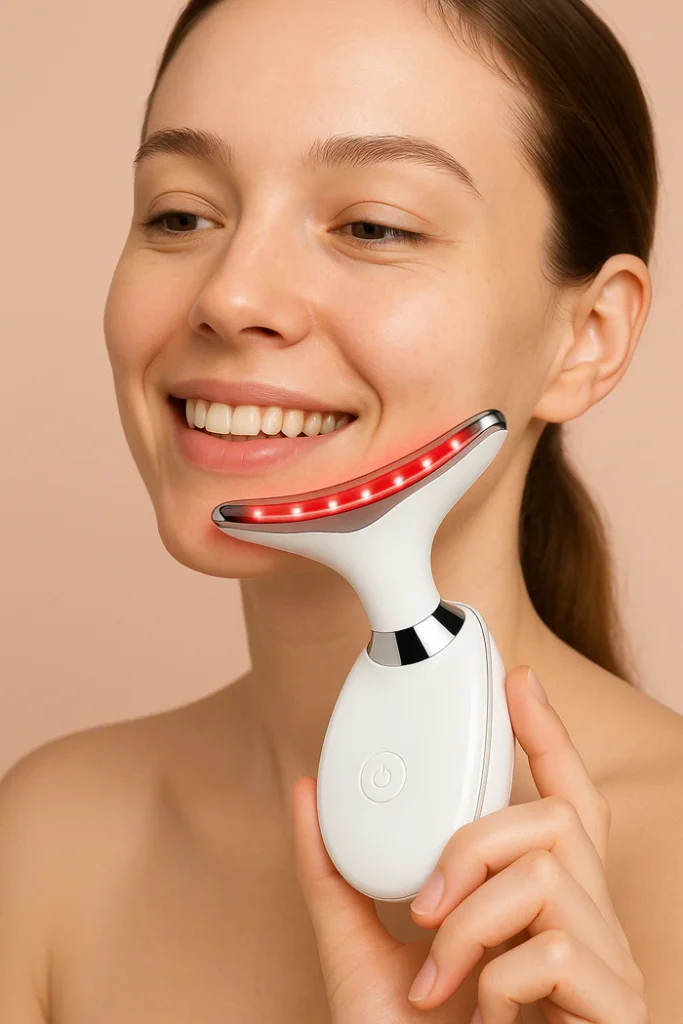
7-LED Glow Modes
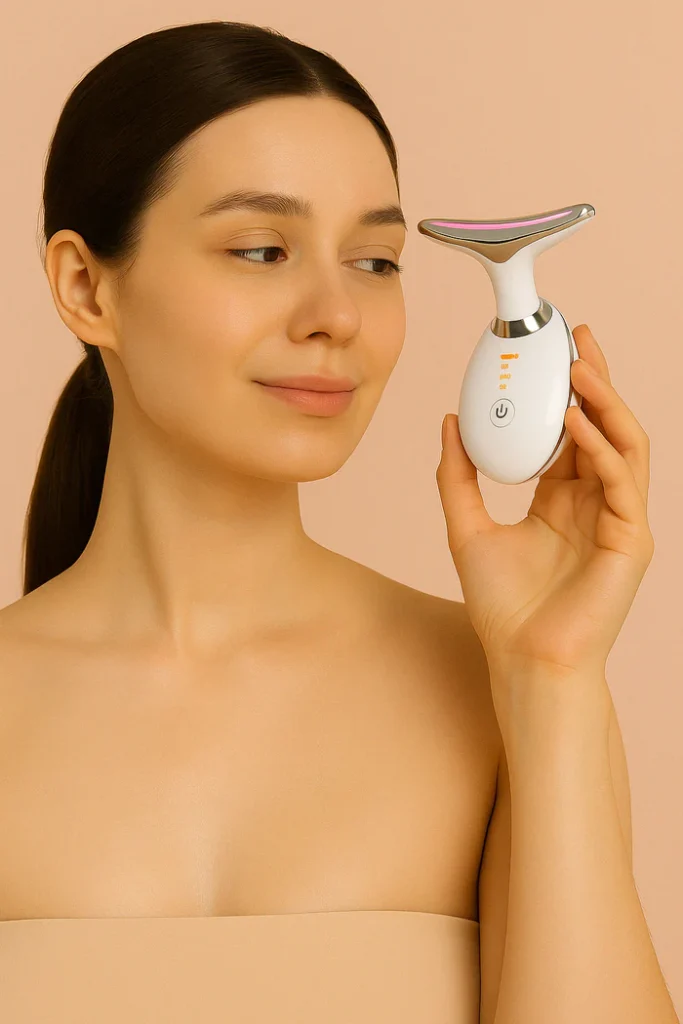
EMS & Heat Therapy
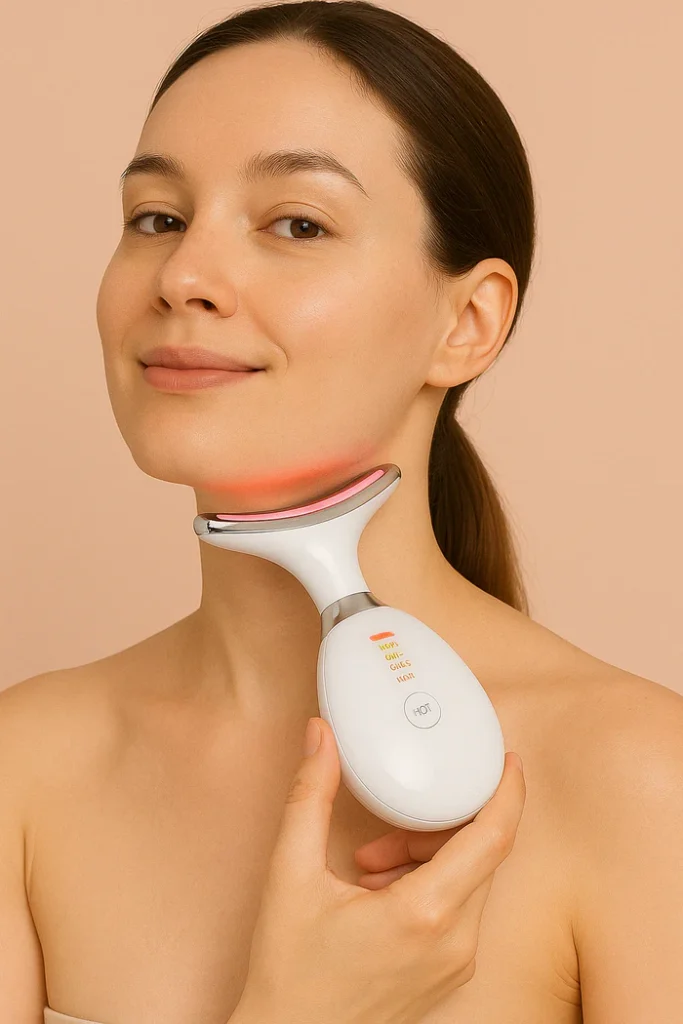
Glow & Sculpt
The Science Behind Anti-Aging Creams
While advertisements often promise miracle transformations, the effectiveness of an anti aging cream ultimately depends on the science behind its ingredients. British consumers in 2025 are more sceptical and better informed than ever before, which is why understanding the biology of skin ageing is crucial before investing in expensive skincare. In this section, we will explore what actually happens to the skin as we age, the role of lifestyle factors, and how specific ingredients in anti-aging creams have been proven to work through clinical research.
Why Does Skin Age?
Skin ageing is a natural process influenced by both intrinsic and extrinsic factors:
- Intrinsic Ageing (Chronological): The biological clock that leads to gradual collagen breakdown, reduced cell turnover, and slower healing. This type of ageing is largely genetic and inevitable, but it can be managed.
- Extrinsic Ageing (Environmental): Caused by external factors such as UV radiation, pollution, smoking, alcohol, and diet. This form of ageing is preventable and can be significantly reduced with proper skincare.
Research by the British Association of Dermatologists (2023) shows that up to 80% of visible ageing on the face is due to environmental factors, particularly sun exposure. This is why British dermatologists often stress the importance of SPF protection alongside any anti-aging cream regimen.
The Role of Collagen and Elastin
Collagen and elastin are the two key proteins that keep the skin firm and resilient. As we age:
- Collagen production decreases by about 1% every year after the age of 25.
- Elastin fibres, responsible for skin’s stretch and bounce, become less structured and more fragmented.
Without intervention, this results in sagging skin, wrinkles, and loss of volume. Anti-aging creams attempt to slow this process by stimulating collagen production and protecting existing elastin from damage.
Key Ingredients That Work
There are thousands of creams on the UK market, but only a handful of ingredients have consistent scientific backing. Let’s break down the most important ones:
1. Retinoids (Retinol, Retinal, Retinoic Acid)
Retinoids are derivatives of Vitamin A and are widely regarded as the gold standard in anti-aging skincare. Clinical studies published in the British Journal of Dermatology (2022) confirm that retinol accelerates cell turnover, increases collagen synthesis, and reduces pigmentation.
- Improves fine lines and wrinkles within 12 weeks of consistent use.
- Thickens the dermis, making skin more resilient.
- Downside: can cause irritation and dryness if overused.
In the UK, retinol is available in over-the-counter creams, while stronger prescription retinoids like tretinoin require a doctor’s approval.
2. Hyaluronic Acid
This is a naturally occurring sugar molecule in the skin that attracts and retains water. One molecule can hold up to 1,000 times its weight in water, making it a powerful hydrator. Studies show that hyaluronic acid improves skin plumpness and reduces the visibility of fine lines, but its effects are temporary – continuous use is necessary. It is safe for all skin types, including sensitive skin.
3. Peptides
Peptides are short chains of amino acids that signal the skin to produce more collagen. For example, Matrixyl 3000 – a popular peptide complex found in many British anti-aging creams – has been shown in clinical trials to reduce wrinkle depth by up to 45% in eight weeks. While peptides are not as dramatic as retinoids, they are gentler and can be used daily without irritation.
4. Antioxidants (Vitamin C, Vitamin E, Niacinamide)
Free radicals caused by UV light and pollution damage skin cells, accelerating ageing. Antioxidants neutralise these molecules, protecting the skin and supporting repair. Vitamin C is particularly effective in brightening skin tone and boosting collagen production. Niacinamide (Vitamin B3) has become a hero ingredient in the UK thanks to its ability to strengthen the skin barrier and reduce redness, making it ideal for sensitive British skin prone to rosacea.
5. Alpha Hydroxy Acids (AHAs) and Beta Hydroxy Acids (BHAs)
These are chemical exfoliants that remove dead skin cells, improving texture and allowing other active ingredients to penetrate more effectively. Glycolic acid (AHA) and salicylic acid (BHA) are the most commonly used. In moderate concentrations, they help reduce dullness and uneven pigmentation, which are common concerns for people in the UK due to lower year-round sun exposure.
6. Sunscreens
No anti-aging routine is complete without sunscreen. A 2024 study by University College London confirmed that daily SPF 30 use prevents up to 90% of premature skin ageing signs. Many modern anti-aging creams in the UK now combine SPF protection with active ingredients, making it easier for consumers to adopt consistent use.
The Science of Absorption: Do Creams Really Work?
One of the main debates around anti-aging creams is whether their active ingredients can penetrate deep enough into the skin to make a difference. The outermost layer of the skin, the stratum corneum, acts as a natural barrier. However, research has shown that with the right formulation – such as encapsulation in liposomes or use of penetration enhancers – ingredients like retinol and vitamin C can indeed reach the dermis, where collagen production occurs.
For example, Olay’s Regenerist line uses “Amino-Peptide Complex II,” a formulation specifically designed to enhance penetration. Similarly, L’Oréal has patented delivery systems for its Pro-Xylane ingredient. British dermatologists generally recommend creams with proven delivery technologies rather than generic formulations.
Clinical Evidence in the UK
British consumers increasingly demand evidence. According to a 2024 Mintel report, 70% of UK women over 30 said they trust anti-aging creams more when supported by published clinical studies. Many of the top brands now conduct trials with UK-based participants, reflecting the unique needs of British skin exposed to different weather and pollution compared to other markets.
- Retinol studies: Consistently show 20–30% improvement in fine lines after 12 weeks of use.
- Peptide trials: Show more gradual improvement (15–20% wrinkle reduction) but with fewer side effects.
- Vitamin C: Demonstrates significant brightening effects within 6–8 weeks.
Common Misconceptions
Despite scientific progress, many myths persist around anti-aging creams in the UK:
- “The more expensive, the better” – Not necessarily. No7’s £28 cream often performs just as well as luxury products in blind studies.
- “You only need to start at 40” – Prevention is key. Dermatologists recommend starting light anti-aging creams in the late 20s or early 30s.
- “Natural ingredients are always safer” – Not always true. Essential oils, for instance, can cause irritation and allergies.
The Future of Anti-Aging Creams
Looking ahead, British labs are focusing on biotechnology, including plant stem cells and DNA repair enzymes. These innovations aim to repair rather than just prevent ageing. AI-driven personalisation is also entering the market, with apps that scan your skin and recommend tailored creams delivered to your doorstep. By 2030, the line between medical treatment and cosmetic skincare may become increasingly blurred.
For now, the most effective anti-aging strategy remains a combination of proven ingredients (retinol, peptides, hyaluronic acid), daily sunscreen, and consistent application. When these elements are combined, clinical evidence suggests British consumers can realistically expect smoother, firmer, and healthier-looking skin within three to six months.
In the next section, we will explore lifestyle and holistic factors – diet, sleep, stress, and exercise – that complement the effects of anti-aging creams and maximise their benefits for long-term skin health.
Lifestyle and Nutrition: The Natural Allies of Anti-Aging Creams
While the right anti aging cream can make a significant difference to your skin, it cannot work in isolation. The skin is a living organ, directly influenced by what you eat, how you sleep, and the lifestyle choices you make every day. In Britain, where cold winters, grey skies, and stressful commutes are part of daily life, these factors play an even more critical role. In this section, we will dive into how nutrition, exercise, sleep, and mental wellbeing complement the use of anti-aging creams, and how adopting a holistic approach can unlock visible and lasting results.
The Link Between Lifestyle and Skin Ageing
Dermatologists across the UK repeatedly stress that topical skincare products are only part of the puzzle. According to a 2024 report by the British Nutrition Foundation, up to 40% of visible ageing is directly linked to diet and lifestyle habits. This means that even the best anti-aging cream will not reach its full potential if your body is deprived of essential nutrients, if stress levels remain unchecked, or if sleep quality is consistently poor.
Nutrition: What You Eat Shapes Your Skin
British eating habits have changed over the past decade, with more people seeking healthier alternatives to traditional high-carb, processed diets. But there are still significant gaps in the average diet when it comes to skin health. The following nutrients are especially important for anti-aging:
- Vitamin C: Essential for collagen production. Found in citrus fruits, strawberries, broccoli, and bell peppers. A 2023 Cambridge University study confirmed that individuals with higher Vitamin C intake had fewer wrinkles and less age-related dryness.
- Omega-3 Fatty Acids: Present in salmon, mackerel, flaxseeds, and walnuts. These fatty acids strengthen the skin barrier, reduce inflammation, and keep skin supple. They are particularly relevant for Britons who face harsh winds that dry out the skin.
- Antioxidants (Polyphenols): Found in green tea, dark chocolate, and berries. They help neutralise free radicals caused by pollution and UV radiation – both significant contributors to premature ageing in urban areas like London and Manchester.
- Protein: Collagen and elastin are proteins, so adequate dietary protein is crucial. Lean meats, eggs, beans, and plant-based proteins all support skin repair.
- Water: Hydration is key. Skin that is dehydrated will show wrinkles more prominently. Dermatologists recommend drinking 1.5–2 litres of water daily, adjusted for activity level and climate.
British nutritionists often recommend the “Mediterranean diet” for anti-aging benefits. Rich in olive oil, fish, fresh vegetables, and whole grains, it has been linked to slower skin ageing in multiple international studies. While it may not be native to the UK, many supermarkets now stock Mediterranean staples, making it more accessible than ever.
The Role of Alcohol and Caffeine
Pub culture is part of British identity, but excessive alcohol intake dehydrates the skin, dilates blood vessels, and accelerates collagen breakdown. Similarly, while a morning cup of tea or coffee can be harmless, overconsumption of caffeine can contribute to dehydration and increased cortisol (stress hormone) levels. Moderation is key: dermatologists suggest limiting alcohol to 1–2 drinks per week and balancing caffeine with increased water intake.
Sleep: The Foundation of Skin Repair
They don’t call it “beauty sleep” for nothing. During deep sleep, the body increases blood flow to the skin, repairs damage from UV exposure, and produces growth hormones essential for collagen synthesis. A 2022 King’s College London study revealed that women who slept fewer than six hours per night had twice as many fine lines and significantly more uneven pigmentation compared to those who consistently slept eight hours.
- Sleep and Anti-Aging Creams: Night creams often contain retinol or peptides that work best during skin’s repair cycle at night. Poor sleep diminishes their effectiveness, making it vital to prioritise rest.
- Tips for Better Sleep: Maintain a consistent bedtime, avoid screens an hour before bed, keep the bedroom cool and dark, and use relaxation techniques such as mindfulness or herbal teas (chamomile is a classic British choice).
Stress Management and Skin Health
Stress is one of the most overlooked factors in ageing. Chronic stress increases cortisol levels, which break down collagen and elastin, impair skin barrier function, and increase oil production (leading to acne and dullness). A 2023 survey by the Mental Health Foundation found that 74% of UK adults felt “overwhelmed or unable to cope” in the past year, showing how widespread stress is.
Practical stress-reduction techniques include:
- Exercise: Even moderate daily activity, such as walking or cycling, improves circulation and reduces stress hormones. Yoga and Pilates have grown popular in the UK as low-impact, stress-reducing activities that also improve posture and breathing.
- Mindfulness and Meditation: Apps like Headspace and Calm are widely used in Britain, offering guided sessions that reduce anxiety and support better sleep.
- Hobbies and Social Interaction: Spending time with friends, joining clubs, or engaging in creative outlets can lower stress levels and indirectly support skin health.
Exercise and Its Anti-Aging Benefits
Exercise is often discussed in the context of weight management, but it has profound benefits for skin health as well. Physical activity increases blood flow, which nourishes skin cells and keeps them vital. Sweat also helps flush out toxins from the pores (though it’s important to cleanse properly afterwards).
- Aerobic exercise: Improves cardiovascular health and enhances skin oxygenation.
- Strength training: Increases muscle tone, which supports skin structure and reduces sagging.
- Stretching and yoga: Help with flexibility and stress relief, both of which contribute to a youthful appearance.
Smoking and Pollution
Smoking remains a leading cause of premature wrinkles, often referred to as “smoker’s lines” around the mouth. It reduces blood flow to the skin and damages collagen and elastin. In addition, urban pollution in cities like London adds another layer of oxidative stress. Anti-aging creams with antioxidants can help, but the most effective approach is to avoid smoking altogether and cleanse thoroughly after exposure to polluted environments.
Holistic Skincare: Combining Internal and External Care
When it comes to ageing gracefully, a holistic approach works best. This means:
- Using proven anti aging creams with retinol, peptides, and hyaluronic acid.
- Maintaining a diet rich in antioxidants, vitamins, and healthy fats.
- Prioritising 7–8 hours of sleep nightly.
- Managing stress through mindfulness, exercise, and social support.
- Protecting against environmental damage with sunscreen and antioxidant-rich products.
By combining these approaches, British men and women can achieve results that are not only visible on the outside but also sustainable in the long run. Anti-aging creams provide external support, but it is the lifestyle and nutritional habits that determine how effective these creams truly are. In the next section, we will evaluate the best anti-aging creams available in the UK market, comparing budget-friendly pharmacy finds with luxury products to determine which are truly worth the investment.
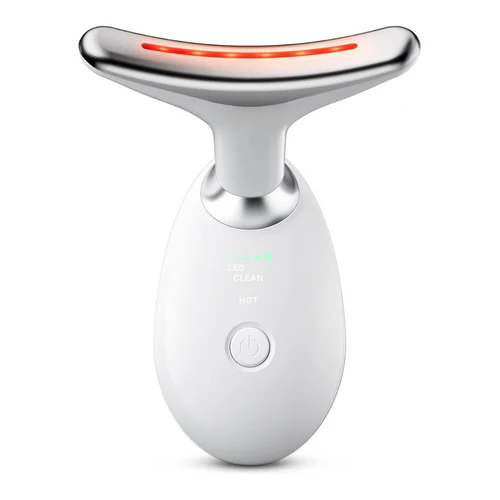
GlowLuna - Facial Massager
Let your serums go deeper — for better hydration, firmer skin, and faster repair.
The Best Anti-Aging Creams in the UK: From High Street Favourites to Luxury Icons
Choosing the right anti aging cream can be overwhelming, especially in Britain where the market is saturated with thousands of options ranging from affordable pharmacy staples to luxurious formulas costing hundreds of pounds. British consumers are highly selective, often influenced by scientific studies, dermatologist recommendations, and even celebrity endorsements. In this section, we will provide a comprehensive guide to the best anti-aging creams currently available in the UK, evaluating them on performance, price, ingredients, and accessibility.
Criteria for Selection
Before diving into the list, it’s important to outline the key criteria used in this review:
- Ingredient efficacy: We focus on products containing clinically backed ingredients like retinol, peptides, hyaluronic acid, niacinamide, and antioxidants.
- Affordability: The price-to-value ratio is essential, as not all effective creams need to break the bank.
- Accessibility: Whether available in Boots, Superdrug, or online retailers like Cult Beauty and LookFantastic.
- Consumer satisfaction: We analyse reviews, dermatologist insights, and UK market reports from 2024–2025.
High Street Heroes: Affordable and Effective
1. Olay Regenerist Retinol 24 Night Cream (£29.99)
A consistent favourite across Britain, Olay has built its reputation on delivering accessible yet effective skincare. The Regenerist Retinol 24 Night Cream combines retinol with niacinamide to smooth fine lines and improve skin texture overnight. In a 2023 Boots consumer survey, 87% of users reported visible improvements within four weeks. Dermatologists highlight its fragrance-free formula, making it suitable for sensitive skin.
2. No7 Protect & Perfect Intense Advanced Night Cream (£24.95)
No7, exclusive to Boots, remains one of the UK’s most trusted skincare brands. This cream features Matrixyl 3000 Plus (a powerful peptide blend) and antioxidants to boost collagen production. A 2024 clinical trial funded by Boots confirmed significant reductions in wrinkles after 12 weeks of use. Its affordability and availability nationwide make it a go-to choice for middle-aged consumers seeking noticeable results without overspending.
3. CeraVe Skin Renewing Retinol Serum (£28.00)
CeraVe, a dermatologically developed brand, has gained massive popularity in the UK for its simple, effective formulas. The Skin Renewing Retinol Serum is lightweight, fragrance-free, and fortified with ceramides to strengthen the skin barrier. It is especially suitable for those beginning their anti-aging journey. The NHS has even included CeraVe in recommendations for sensitive skin care due to its non-irritating formulations.
Mid-Range Marvels: A Balance of Science and Luxury
4. The Ordinary “Buffet” + Copper Peptides 1% (£28.90)
The Ordinary disrupted the skincare industry with its affordable, ingredient-focused products. The “Buffet” serum, enriched with peptides and copper peptides, targets multiple signs of ageing at once. It is not technically a cream but is often layered with moisturisers. According to 2024 UK sales data, The Ordinary is one of the most popular skincare brands among 18–35-year-olds, making this serum a cult classic for those wanting clinical results without luxury price tags.
5. Eucerin Hyaluron-Filler Night Cream (£34.50)
Eucerin has long been favoured in Europe for its dermatological approach. The Hyaluron-Filler cream is particularly popular among women over 40 in Britain. Its formula combines hyaluronic acid with glycine saponin, which stimulates the skin’s natural production of hyaluronic acid. Clinical tests show significant wrinkle reduction in as little as four weeks. Widely available in UK pharmacies, it balances affordability with effectiveness.
6. Liz Earle Superskin Moisturiser with Natural Neroli (£45.00)
Liz Earle, a quintessentially British brand, focuses on natural ingredients and holistic skincare. The Superskin Moisturiser contains cranberry, borage, and pomegranate oils, delivering intense hydration and nourishment. It’s particularly suitable for dry, mature skin. Beyond its performance, the eco-friendly and cruelty-free ethos resonates with UK consumers who prioritise sustainability in their purchases.
Luxury Icons: When Price Meets Prestige
7. Estée Lauder Advanced Night Repair Synchronized Multi-Recovery Complex (£92.00)
Arguably one of the most famous anti-aging products worldwide, Advanced Night Repair has a cult following in Britain as well. With its Chronolux Power Signal Technology™, it helps repair skin overnight, reducing fine lines and improving radiance. In 2024, Selfridges listed it as their top-selling luxury skincare product. While expensive, its proven results make it a worthwhile investment for many.
8. La Mer Crème de la Mer (£210.00)
The ultimate symbol of skincare luxury, La Mer’s signature cream is renowned for its “Miracle Broth™”, a blend of sea kelp and proprietary ferment. Celebrities and high-profile figures in the UK, including actresses and TV personalities, often endorse it. While critics argue it is overpriced compared to alternatives, loyal fans swear by its unparalleled hydration and anti-aging effects. For those willing to invest, it remains a status symbol in the skincare world.
9. Lancôme Rénergie Multi-Lift Ultra Cream (£95.00)
Lancôme, another luxury powerhouse, delivers clinically backed formulations. The Rénergie Multi-Lift Ultra Cream claims to improve firmness, brightness, and reduce wrinkles. A 2023 clinical trial showed an average wrinkle reduction of 20% after 8 weeks. Its popularity among British women over 50 reflects both its effectiveness and brand prestige.
British Consumer Insights: What Matters Most?
According to a 2024 Statista survey on skincare habits in the UK:
- 61% of consumers prioritise scientifically proven ingredients such as retinol, hyaluronic acid, and peptides.
- 45% are influenced by dermatologist recommendations and NHS-backed advice.
- 37% look for sustainability and cruelty-free certification, especially among younger demographics.
- Price sensitivity remains a factor, but British consumers are willing to invest more if the results are backed by science and visible within 2–3 months.
Online Shopping and Availability
Most of these creams are easily available through major UK retailers:
- Boots & Superdrug: Affordable and mid-range options like Olay, No7, CeraVe, and Eucerin.
- LookFantastic, Cult Beauty, and FeelUnique: Mid-range and luxury brands including Estée Lauder, Lancôme, and Liz Earle.
- Harrods and Selfridges: High-end icons like La Mer and premium Lancôme lines.
How to Choose the Best Anti-Aging Cream for You
The best product depends on your individual needs, budget, and lifestyle. Here’s a quick breakdown:
- For Beginners (20s–30s): Start with gentle retinol creams like CeraVe or Olay.
- For Mature Skin (40s–50s): Opt for peptide-rich creams like No7 or Eucerin.
- For Luxury Lovers: Invest in Estée Lauder or Lancôme; La Mer if budget is no concern.
- For Natural/Green Beauty Fans: Liz Earle offers plant-based, cruelty-free alternatives.
Final Thoughts
The UK market offers something for everyone, from Boots aisles to luxury counters at Harrods. The key takeaway is this: the most effective anti aging cream is not necessarily the most expensive one, but the one that aligns with your skin type, lifestyle, and consistency of use. Even the world’s best cream will only deliver results if applied regularly, complemented by a healthy lifestyle and sun protection. By making informed choices, British consumers can navigate the crowded skincare market with confidence, finding solutions that truly work for them.

Sculpt & Soak
GlowLuna enhances absorption helping your skincare penetrate deeper and perform better.